

International Layout

+
Seagull Cooling Technologies (Asia Pacific) Sdn. Bhd.


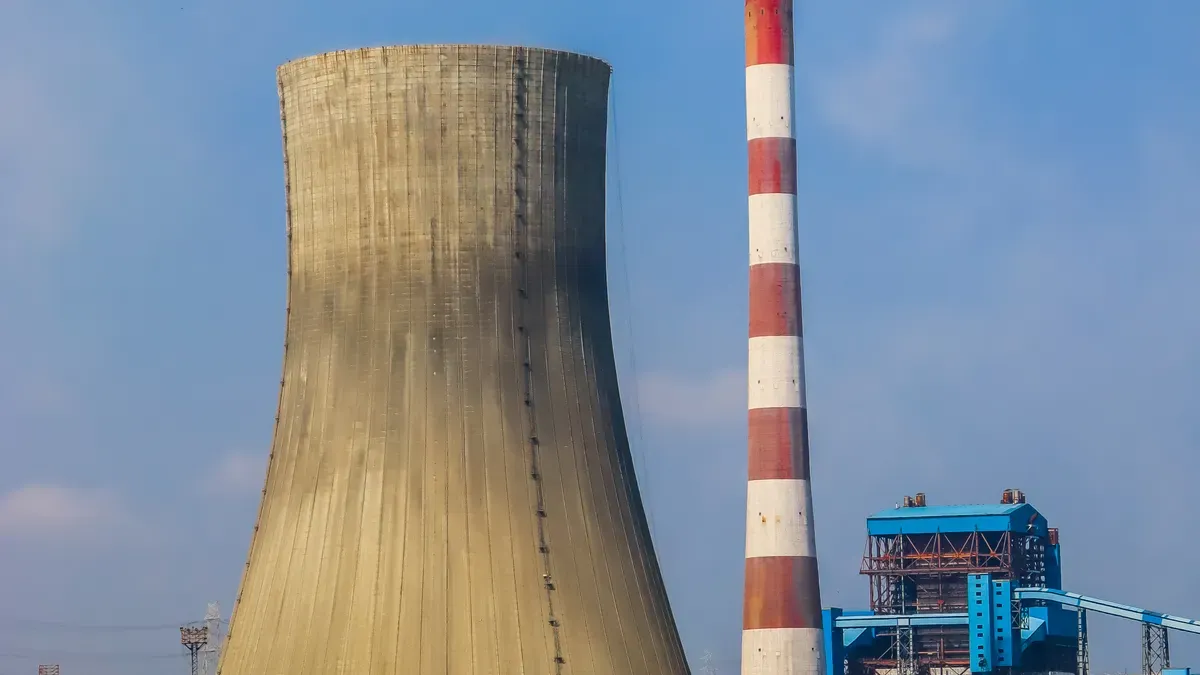
Traditional cooling towers use a lot of electricity because pumps have to lift water from a sump on the ground up to a high distribution deck. This big pumping job makes operating costs much higher.
High-level water collection is a smarter way. This new water capture method sends cooled water straight to the pump suction port, so there is no need for extra lifting. Gravity does most of the work, which cuts energy use a lot.
This solution works best in large natural draft cooling towers, where tower height does two jobs: creating airflow and helping with water collection. Engineers use the natural draft cooling tower's height for both tasks at the same time.
Besides saving energy, this design lowers spray noise and improves thermal performance because water has more contact time. These benefits make high-level collection a smart engineering choice.
High-level water collection uses gravity to move water, saving a lot on electricity costs.
This design makes the tower shell stronger and easier to fix or care for.
When water falls for a longer time, it cools better and makes less noise.
This technology uses less water and cuts down on running costs.
It works best in big, natural draft cooling towers.
A natural draft cooling tower works based on a simple physical idea. Inside the tower, warm, moist air is less dense than the cooler outside air. This difference in density causes a buoyancy effect. The lighter warm air rises naturally and leaves through the top exhaust. As it rises, it creates a low-pressure area at the tower's base. This vacuum pulls in cooler, drier air from the bottom.
The force that drives this airflow follows a clear rule. Engineers write it as tower height times the density difference between incoming and outgoing air. This product equals the number of velocity heads lost times the average air density times the square of the average air velocity, divided by 2. In simpler words, the equation shows that for a fixed density difference, tower height is directly related to the square of the air velocity. Making the tower taller allows a higher draft airflow velocity.
This principle makes large natural draft cooling towers very effective. Their great height creates strong, steady airflow without using fans. The water distribution system is at the top of the tower. It sprays hot water down through the fill media. Meanwhile, the rising air moves upward and meets the falling water. This counterflow setup maximizes heat transfer between air and water.
The tower's height serves two purposes in large natural draft cooling towers. First, the height creates the draft that moves air. Second, the same height supports the high-level water collection system. Engineers can choose a tower height that gives the needed force for airflow, as long as a density difference exists. However, real-world money limits restrict this choice. Taller towers create higher draft speeds, but building costs set a limit on how tall builders can actually make them.
The height also improves the evaporative cooling process. Water falls from the distribution deck through the fill material. The longer vertical distance increases the contact time between water droplets and the rising air. This longer interaction allows for more complete heat exchange. The warm water gives off heat to the cooler air through evaporation and direct contact. The result is a more efficient cooling process that sends water at a lower temperature to the collection basin.
So the height of a natural draft cooling tower works together with the water collection technology. The same height that creates strong draft airflow also places the water collection basin at the best level. This integration cuts down on pumping needs while keeping excellent thermal performance. The design uses gravity for both air movement and water transport, making the whole system more energy-efficient.
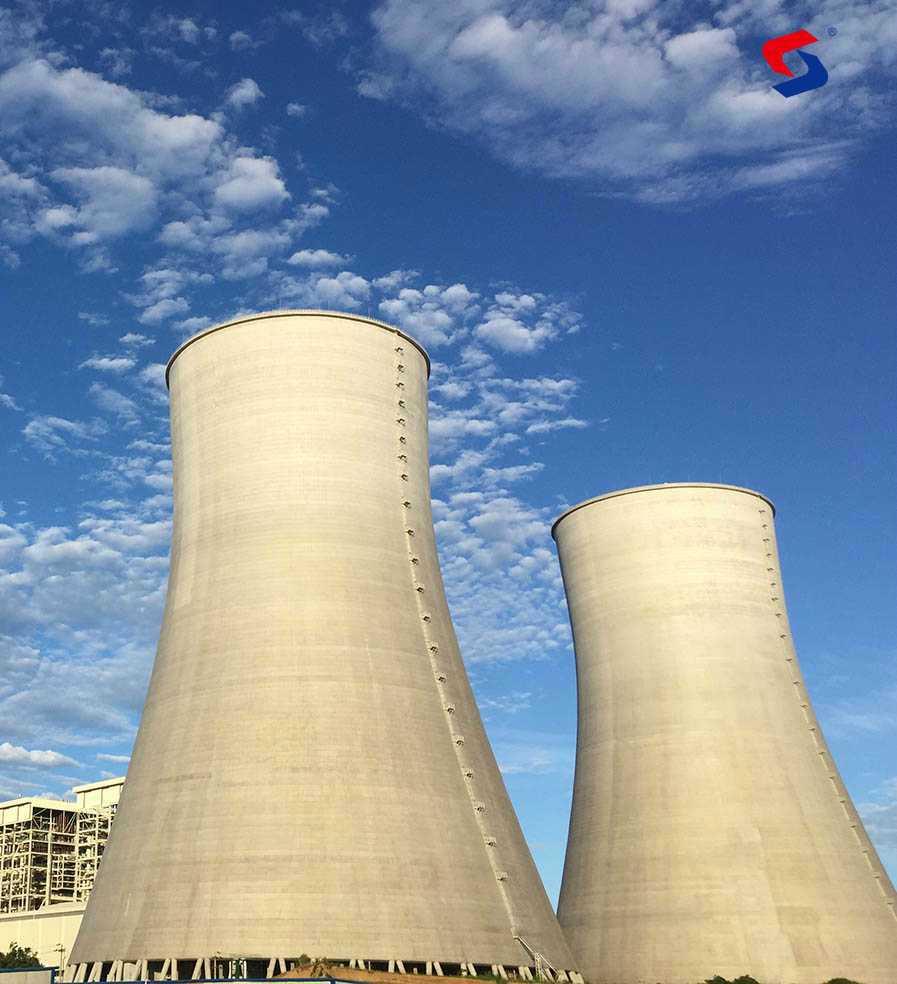
Old cooling tower designs put a sump on the ground. Pumps must lift the cooled water from this low point to the top deck. This lift needs high pressure. High pressure needs strong motors. These motors use a lot of electricity all day.
High-level water collection changes this setup completely. It collects cooled water at the base of the packing. This point is closer to the pump suction. The pump no longer lifts water from the ground. Gravity brings water directly to the pump inlet. The required pump head drops a lot.
High-level water collection cooling towers remove the bottom sump completely. Water collects at the base of the packing and flows straight to the pump suction. This design cuts energy use because the pump only needs to beat friction losses in the pipes. The pump does not waste energy lifting water against gravity.
The energy savings are clear when looking at the pump head equation. Pump power use is directly related to flow rate times total head. Reducing the head by a few meters cuts power use by the same amount. For a large natural draft cooling tower, this saves many kilowatt-hours each day.
Think about how big these systems are. Large industrial plants run cooling towers non-stop. A typical natural draft cooling tower moves thousands of cubic meters of water per hour. Each meter of reduced pump head saves a lot of energy over a year. The electricity savings add up fast.
The payback time for this technology is still good, even with higher start-up costs. Expensive cooling tower upgrades usually pay back in 1 to 3 years. Yearly savings are between $30,000 and $100,000 or more for big setups. These numbers make the choice easy for most plant managers.
The tower's thermal performance also gets better with height. The tall structure has a taller column of warm air inside than the cool air outside at ground level. This height difference increases the pressure difference between the bottom and top of the tower. The bigger pressure difference makes the chimney effect stronger, pulling more cool air in from below. The hyperbolic shape, with its narrowing throat, makes the rising air go faster. The combined effect of higher height and faster airflow raises air speed through the fill media, improving heat transfer from the warm water to the air, and thus makes the thermal performance better.
Lower pump head does more than just save electricity. It also cuts down mechanical stress on the whole pumping system. Pumps running at lower pressure have less wear on bearings, seals, and impellers. This less wear makes important parts last longer.
Maintenance periods get longer. Facility teams replace seals and bearings less often. Downtime for repairs goes down. The cooling system's reliability gets better. These things help lower lifetime costs, not just electricity savings.
The natural draft cooling tower gets two benefits from this design. The tower already saves energy by using natural airflow instead of fans. Adding high-level water collection removes another big energy user. The combination makes these towers some of the most efficient cooling options.
Evaporative cooling is still the main way heat is transferred. Water falling through the fill media hits rising air. Some water evaporates, taking heat from the remaining water. This process cools the water well. The high-level collection system captures this cooled water without wasting pumping energy.
The lower pump head also lets us use smaller, cheaper pumps. Starting equipment costs go down. The pumps run closer to their best efficiency point. This best operation cuts energy use more and makes equipment last longer.
Facilities that use this technology see clear improvements in their energy budgets. The mix of lower electricity costs, less maintenance, and longer equipment life makes a strong economic case. For large natural draft cooling towers, savings add up across many pumps and non-stop operation.
The engineering idea is still clear. Gravity does the lifting work. Pumps only move water through the system. This work split cuts energy use, lowers maintenance costs, and makes the system more reliable. The economic benefits make high-level water collection a smart choice for new builds and upgrades.
The high-level water collection basin does more than just hold water. It acts like a strong ring around the tower shell. This ring makes the whole concrete structure stiffer. Wind pushes against the tower from every side. Seismic forces also stress the tall building. The basin ring spreads these forces evenly around the tower. Stress does not build up in weak areas. The tower handles extreme weather much better.
This design lets engineers use a lighter concrete build. Builders need less material for the shell. Material costs drop a lot. The tower still meets all strength needs. The lighter structure also puts less weight on the foundation. Engineers save money on both the tower and the foundation work.
The basin's position helps balance the tower's weight. Heavy parts sit at the right height. This balance makes the tower more stable. The natural draft cooling tower stays upright for many years. It lasts longer because stress is spread out evenly. The basin supports the shell. The shell supports the basin. This teamwork makes the whole system stronger and more durable.
The high-level basin design puts all water collection parts in one place. The basin, the collection pipes, and the pump suction are all together. This makes maintenance easier. Teams need fewer access points. Workers do not move between ground level and high levels. All key parts are in one spot. Workers inspect and fix equipment faster. Downtime for maintenance goes down.
The simpler layout also cuts the number of possible failure points. Fewer joints, fewer connections, and fewer access hatches. Each reduction means less chance of a leak or a breakdown. Reliability gets better.
The basin sits at the packing base, which keeps debris out. The high-level location stops ground-level dirt from getting in. Water quality stays higher. This cleaner water reduces buildup in pipes and pumps. Maintenance needs drop even more.
Workers reach the basin safely from inside platforms. The design removes deep sump pits. No one works in tight spaces at ground level. Safety improves. The consolidated design makes routine checks and big repairs easier. These maintenance benefits add to the cost savings. Lower labor costs, less downtime, and better reliability. The natural draft cooling tower with high-level collection gives value across the whole system life.
High-level water collection changes how water moves through the tower. Water leaves the distribution deck at the top. It falls through the fill media, where most heat exchange happens. Then it keeps falling toward the collection basin. This basin sits at the base of the packing, still well above ground level. The extra vertical distance creates a longer droplet path. Each droplet spends more time in the air column before reaching the collection point.
This longer fall time directly improves the cooling cycle. Rising air meets falling water droplets during the whole descent. Longer contact means more chances for heat to move from water to air. The droplets lose heat in two ways. Evaporative cooling removes heat as water molecules turn from liquid to vapor. Sensible heat transfer moves heat directly from warmer water to cooler air. Both processes work better with longer contact time.
The results show up in clear improvements to cooling tower performance. Water leaves the collection basin cooler than it would with a shorter fall path. Lower outlet temperatures mean the cooling system works more efficiently. Downstream equipment receives cooler water. Heat exchangers, condensers, and process equipment all run better with cooler input water. The whole plant benefits from this improved thermal performance.
The height of a natural draft cooling tower makes this advantage even bigger. These towers stand much taller than mechanical draft units. The extra height gives water droplets a longer falling distance. Engineers design the collection basin height to get the most from this benefit. They balance the need for draft airflow against the desire for longer droplet contact. The best design captures both benefits from the same structural height.
High-level collection cuts the rain zone height a lot. The rain zone is the distance water falls after leaving the fill media. A shorter rain zone means less impact speed when water reaches the collection surface. Less impact speed produces less splashing and less noise. This reduction in noise can eliminate the need for separate noise control measures.
Water conservation also improves with high-level collection. The collection basin captures nearly all the water that passes through the fill media. Less water escapes the system, which means less makeup water needed to keep proper levels.
The mix of noise reduction and water conservation makes these towers more acceptable in sensitive locations. Industrial facilities near residential areas face fewer complaints. Environmental regulators see lower water consumption numbers. Plant operators enjoy quieter working conditions and lower water bills. These operational benefits add to the energy savings from reduced pumping needs.
The cooling cycle runs more consistently with high-level collection. Water temperature stays stable because the collection basin keeps a steady level. The pump receives water at a consistent temperature and pressure. This stability improves the reliability of the whole cooling system. Process equipment gets predictable cooling performance day after day.
This integrated approach to high-level water collection shows how smart engineering can improve heat transfer. The natural draft cooling tower becomes a more complete solution for industrial cooling needs.
High-level water collection transforms large natural draft cooling towers into highly efficient systems. Gravity replaces pump energy, cutting electricity costs substantially. The basin ring strengthens the tower shell, improving durability. Longer droplet paths enhance evaporative cooling and thermal performance.
This technology suits natural draft cooling tower designs perfectly. The same height that drives airflow also supports water collection. High-level water collection cooling towers demonstrate these benefits in practice. Industries reduce operational costs while lowering environmental impact.
Facility managers should evaluate this approach for new installations or retrofits. The initial investment pays back quickly through energy savings. Long-term reliability and reduced maintenance add further value. This innovation offers a practical path toward sustainable cooling operations.
The savings depend on tower size and pump setup. Removing the ground-level sump cuts pump head a lot. For large industrial systems, electricity costs drop by thousands of dollars each month. Most facilities recover the higher initial investment within one to three years through reduced energy use alone.
Yes, retrofit projects work well. Engineers can add high-level collection basins to current structures. The basin ring strengthens the existing shell. However, each tower needs individual assessment. Structural condition, available space, and current piping layouts determine feasibility. A professional evaluation provides accurate cost estimates for any specific installation.
The high-level collection design shortens the drop distance of water, reducing impact speed and splashing. This reduction in noise emissions lowers noise levels. Facilities near residential areas benefit most from this quieter operation.
The elevated basin position keeps ground-level contaminants out of the system. Debris, dirt, and surface runoff cannot enter the collection point. Cleaner water reduces scale buildup in pipes and pumps. This improved water quality extends equipment life and reduces maintenance frequency for the entire cooling loop.