

International Layout

+
Seagull Cooling Technologies (Asia Pacific) Sdn. Bhd.


You might ask, what is a counterflow cooling tower? In this cooling tower, water goes down while air goes up. This helps heat move from water to air. The coolest water meets the coolest air. This makes the tower work better. The design saves space and works well. Many industries like counterflow cooling towers. They help you save energy and protect the environment. In 2026, these towers will matter even more. New technology and rules want cleaner and smarter choices.
Counterflow cooling towers cool water well. Hot water goes down. Cool air moves up. This helps heat leave the water fast.
These towers use less space and energy. They are good for many places. Power plants, factories, and hospitals use them.
It is important to take care of counterflow cooling towers. This stops clogs and keeps them working well.
Picking the right cooling tower design is important. You can choose counterflow or crossflow. It depends on your space, care needs, and cooling needs.
In 2026, new technology will help counterflow cooling towers. They will save more energy and help protect the environment.
You may wonder, what is a counterflow cooling tower? This type of cooling tower uses a special design to cool water for many industrial needs. You see hot water enter the tower from the top. At the same time, cool air enters from the bottom. The air and water move in opposite directions. This setup helps the tower work better.
Here are the main ideas behind how a counterflow cooling tower works:
Hot water flows downward through the tower.
Cool air moves upward, against the flow of water.
The air and water mix for a longer time, which helps cool the water more.
The main way the tower cools water is by letting some water evaporate. This process takes heat away from the rest of the water.
When you ask, what is a counterflow cooling tower?, you learn that it uses this countercurrent movement to make cooling more efficient. Many factories and buildings use this system because it saves energy and works well in small spaces.
In a counterflow cooling tower, you see air move up while water moves down. This opposite movement helps the tower cool water faster and better. The air meets the water as it falls, which means the coolest air touches the coolest water. This setup gives you the best cooling results.
The direction of air and water flow matters a lot. When air goes up and water goes down, they mix well. This mixing lets the system remove more heat from the water. You get a cooling tower that works hard and saves energy. This design helps many industries keep their machines and processes safe.
You might wonder how a counterflow cooling tower works. The cooling process happens in steps. Each step helps the system cool water well.
Water comes in at the top. Spray nozzles spread the water over the fill media.
Air moves straight up through the fill media. It goes against the water moving down.
The design keeps air moving without anything blocking it. This makes cooling better.
The fill media gives water and air more space to touch each other. This lets more heat leave the water. The tower cools water by letting some water turn into vapor. When water evaporates, it takes heat away. Cooler water collects at the bottom. This water is ready to use again.
The science behind this uses simple ideas. You can see them in the table below:
Principle | Description |
|---|---|
First Law of Thermodynamics | Energy cannot be made or destroyed. It can only change forms. This is important for heat transfer. |
Heat Transfer Mechanism | Heat moves from warmer things to cooler things. It keeps moving until both are the same temperature. |
Counterflow Design Efficiency | In counterflow cooling towers, air goes up and water goes down. This helps the tower cool better. |
The counterflow design makes the temperature difference bigger. This helps the tower cool water faster and better.
Water distribution is very important in the cooling tower. Spray nozzles spread hot water over the fill media. This makes sure all the water meets the air moving up. The longer water and air mix, the more heat leaves the water.
Fans move air through the tower. The fans pull cool air from the bottom and push it up. This keeps air moving strong and steady. Fans and spray nozzles work together to make cooling work best.
Counterflow cooling towers are smaller and work better than other types. The design saves space and energy over time. You might need bigger pumps to move water, but you save energy in the long run. The counterflow cooling tower uses its special design to cool water and protect your machines.
If you ask what a counterflow cooling tower is, you see a smart system. It cools water fast and well. You can trust this technology to keep your machines safe and use less energy.
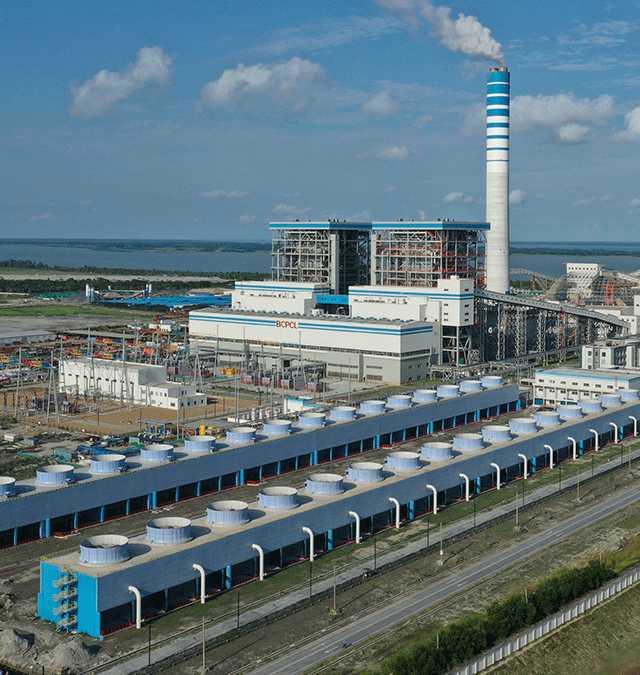
When you look at a counterflow cooling tower, you see several important parts working together. Each part has a special job. The table below shows the main components and what they do:
Component | Description |
|---|---|
Water Distribution | Spreads water evenly over the fill material. |
Fill | Increases the surface area for heat exchange. |
Casing | Protects the inside parts and helps control airflow. |
Basin | Collects cooled water and sends it back to your system. |
Tower Framework | Holds the whole cooling tower together. |
Fan Deck | Supports the fan that moves air through the tower. |
Louvers | Controls how much air enters the tower. |
These parts work as a team. You get strong support, good airflow, and even water coverage. This design helps answer the question: what is a counterflow cooling tower?
The fill media sits at the heart of the cooling tower. You can think of it as the main place where water and air meet. The fill media does several things:
Gives water more surface area to touch the air.
Helps spread water out for better cooling.
Boosts heat exchange, so you get cooler water.
You get better cooling because the fill media lets more heat leave the water. This makes your counterflow cooling tower work well, even when you need a lot of cooling.
The water system in a counterflow cooling tower keeps everything moving. Spray nozzles at the top spread hot water over the fill. The water flows down, meets the rising air, and cools off. The basin at the bottom collects the cooled water. Pumps then send this water back to your machines or process. You get a steady cycle that keeps your equipment safe and cool.
Tip: Regular checks on the water system help you avoid clogs and keep your cooling tower running smoothly.
Counterflow cooling towers have many good points. The table below shows why industries like them:
Benefit | Description |
|---|---|
Efficient Cooling | The countercurrent design lets heat move better, so cooling works well. |
Space Efficiency | These towers need less space than other types. |
Versatility in Applications | They work in many industries because they cool water well. |
You can use these towers in factories, power plants, and big buildings. The design saves space and gives strong cooling. These towers are flexible and work in different places.
Tip: If you have a small area, a counterflow cooling tower is a smart pick.
There are some downsides too. Counterflow cooling towers have a few things to watch out for:
The vertical design needs a pump to move water up. This can make energy costs go up.
Maintenance is harder than with other towers. Some parts are tough to reach for cleaning or fixing.
You must check the tower often. Look for scaling and fouling to keep it working well.
Water treatment is needed to stop problems inside the tower.
Limitation | Description |
|---|---|
Higher pumping head requirements | The vertical design means you need a stronger pump. |
Complex maintenance | Maintenance is a bit harder than with other towers. |
Plan for regular checks and good water treatment. This helps you stop problems and keeps your cooling tower working longer.
You can find counterflow cooling towers in many places. Power plants use them to cool water after turbines. Factories use them to stop machines from getting too hot. Chemical plants need them for safe work. Food plants use them to keep things cool when packing food. Hospitals and big offices use them for air conditioning.
Here is a table that shows how these towers work in different industries:
Advantages of Counterflow Design | Disadvantages of Counterflow Design |
|---|---|
Spray water distribution makes the tower more freeze-resistant. | Typically higher initial and long-term cost, mainly due to pump requirements. |
Breakup of water in spray makes heat transfer more efficient. | Difficult to use variable water flow, as spray characteristics may be negatively affected. |
Typically noisier, due to the greater water fall height from the bottom of the fill into the cold water basin. |
Note: Check your system often to stop freezing or noise problems.
When you look at counterflow and crossflow towers, you see some big differences. Counterflow towers move air up while water falls down. This design uses less space for most jobs under 800 tons. Crossflow towers move air sideways across the water. This can save energy if you change water flow.
Here are some main things to think about:
Counterflow towers cool water better and use less space.
Crossflow towers are easier to fix because you can reach parts.
Counterflow towers have four air inlets, so fixing them is harder. Crossflow towers have two air inlets and use gravity, so cleaning is easier.
Crossflow towers work better in cold weather and do not freeze as much when water is low.
Feature | Counterflow Cooling Towers | Crossflow Cooling Towers |
|---|---|---|
Installation Ease | Easier installation due to fewer obstructions | More complex due to larger footprint |
Maintenance Requirements | More challenging maintenance due to compact design | Easier maintenance due to gravity-fed system |
Cooling Efficiency | Enhanced cooling efficiency | Moderate cooling efficiency |
Space Requirements | Smaller footprint | Covers more space |
Cold Weather Performance | Higher risk of freezing in low flow systems | Avoids icing/freezing issues at low flow rates |
Tip: Pick the tower that fits your space, how easy it is to fix, and your weather. The right tower will help your system stay safe and work well.
You have learned how counterflow cooling towers work and why they are important. These towers use air that goes up and water that goes down. This gives strong cooling. The table below shows how counterflow towers and crossflow towers are different:
Feature | Counterflow Cooling Towers | Crossflow Cooling Towers |
|---|---|---|
Air and Water Flow Direction | Upward air, downward water | Horizontal air, vertical water |
Thermal Efficiency | Higher | Lower |
Footprint | Smaller | Larger |
Picking the right cooling tower helps you control heat. It also makes your system work better and stops problems.
Cooling towers keep machines safe by taking away extra heat.
Each design is good for different jobs, so choose what fits your place.
The best choice saves energy and helps you avoid trouble later.
If you want to know more, you can read industry guides or ask cooling tower experts.
You use a counterflow cooling tower to cool hot water. The tower lets air move up and water move down. This removes heat from the water.
You should check your cooling tower every week. Look for leaks, dirt, and signs of wear. Regular checks help you keep your tower working well.
Yes, you can use them in cold weather. You must watch for freezing. Use freeze protection steps, like keeping water moving and checking for ice.
Feature | Counterflow | Crossflow |
|---|---|---|
Air Movement | Upward | Sideways |
Water Path | Downward | Downward |
Space Need | Smaller | Larger |
Tip: Choose the type that fits your space and maintenance needs.