


International Layout

+
Seagull Cooling Technologies (Asia Pacific) Sdn. Bhd.


You can do many things to reduce cooling tower noise and make cooling towers quieter. Utilizing low-noise fans is one effective method. Additionally, adding fan aids can help air move better, while sound barriers can further mitigate noise levels. Implementing vibration isolation techniques and managing water flow more effectively can also contribute to a quieter operation. Improving insulation is another key factor, as cooling towers generate noise due to high temperatures and excessive shaking, often resulting from mechanical issues. Some common reasons for noise include:
Unbalanced fans
Insufficient lubrication
Corrosion or erosion
Premature bearing failure
Harsh conditions that damage parts
Reducing cooling tower noise not only enhances the safety of your facility but also ensures optimal performance. Seagull is a leader in developing innovative solutions to make cooling towers quieter, providing tailored options to meet your specific needs.
Switch to low-noise fans to make the cooling tower quieter. These fans run smoothly and do not shake much.
Put sound barriers around cooling towers to stop noise from spreading. Barriers can make noise up to 25 decibels lower.
Use vibration isolation methods to stop shaking from moving to other places. This helps make nearby areas less noisy.
Control water flow well to stop loud splashing sounds. Good water control makes the cooling tower quieter.
Use more than one noise reduction method for better results. Using many ways together gives the best noise control.
You can make cooling towers quieter by using low-noise fans. These fans have special blades that move air smoothly. The blades help lower the sound and stop rattling. You can balance the fan to keep it from shaking. Low-noise fans help cooling towers work quietly and well. Seagull makes fans with advanced blades and high-efficiency designs. These fans are good for many factories.
Feature | Description |
|---|---|
Fan Type | Axial fans make a low hum; centrifugal fans are quieter but not as strong. |
High-Efficiency Fans | Using these fans lowers noise a lot; keeping them clean is important. |
Optimize Fan Design and Placement | Special blades and good placement cut down on noise and turbulence. |
You can also turn down the fan speed when it is cool or not busy. This step quickly lowers the noise from the air moving.
Aerodynamic fan aids help cooling towers be quieter by making air flow better. These aids include wide blades and very quiet fans. The blades move air slowly, which makes less noise. You can get up to 12 dBA less noise than regular fans. Seagull’s fan aids use new shapes and materials for better results. You can add these aids when building new towers or fixing old ones.
Tip: Pick aerodynamic fan aids if you need very quiet cooling towers for sensitive places.
Sound barriers keep noise from leaving the cooling tower area. You can use thick walls or panels with holes. These barriers soak up and block sound waves. Putting up a sound barrier can lower cooling tower noise by up to 25 decibels nearby. For high sounds, you may see drops of 10 to 15 decibels.
Put acoustic barriers around the sides.
Add silencers to air inlets or outlets.
Use materials that absorb sound instead of concrete or wood.
Seagull builds cooling tower covers with panels that absorb sound for the best noise reduction. You can use barriers with other ways to get better results.
Vibration isolation stops shaking from spreading through the building. You can use pads, isolators, or control systems. These tools soak up vibrations and keep them from turning into noise. Using vibration isolation can make cooling towers quieter in nearby places. For example, noise can drop from 45 decibels to 38 decibels in homes.
Put pads between machines and the tower frame.
Use spring isolators if the tower is heavy and the area is right.
Mix different isolation methods for big cooling towers.
Seagull’s cooling towers have vibration isolation to keep them quiet.
Water flow noise is a big cause of sound in cooling towers. You can make cooling towers quieter by fixing how water moves. Use spray nozzles and drift eliminators to guide water. These parts help water move smoothly and stop splashing. Seagull sells water management parts that lower noise and help cooling towers work better.
Change water flow to stop pouring or splashing.
Put silencing devices at the air outlet.
Use louvers or silencers for the air inlet.
Note: Good water flow management lowers cooling tower noise and helps your equipment last longer.
Insulation and cladding materials soak up and block sound. You can use panels, blankets, and curtains that absorb noise. These materials have high NRC ratings. Acoustic louvers let air in but keep noise out. Seagull’s cooling towers have advanced insulation and cladding choices.
Put covers with baffles and vents for soundproofing.
Use materials that soak up sound for the best noise reduction.
Add mounts and pads to stop vibrations from spreading.
You can use insulation and cladding with other ways to make cooling towers even quieter.
Remember: Using many noise reduction methods together gives you the quietest facility.
Cooling tower noise comes from several main sources. You need to know where the sound starts so you can control it better. Here are the most common sources:
Mechanical components like pumps and motors
Water flow, including splashing and turbulence
Fan operation, which creates low-frequency sounds and blade-passage tones
Fan noise is one of the loudest parts of a cooling tower. When the fan spins, it pushes air through the tower. This movement creates a steady hum and sometimes a deep rumble. The blades also make a special sound as they cut through the air. You might hear this as a repeating pattern or tone. If the fan is not balanced, it can shake and make even more noise. You can lower fan noise by using special blades or running the fan at a slower speed.
Tip: Regular checks and upgrades help keep fan noise under control.
Water flow noise happens when water drops or splashes inside the cooling tower. Fast-moving water can hit surfaces and make a loud sound. Turbulence, or choppy water, adds to the noise. You may notice this sound most when the tower is working hard. Using spray nozzles and drift eliminators helps water move smoothly. This step reduces splashing and lowers cooling tower noise.
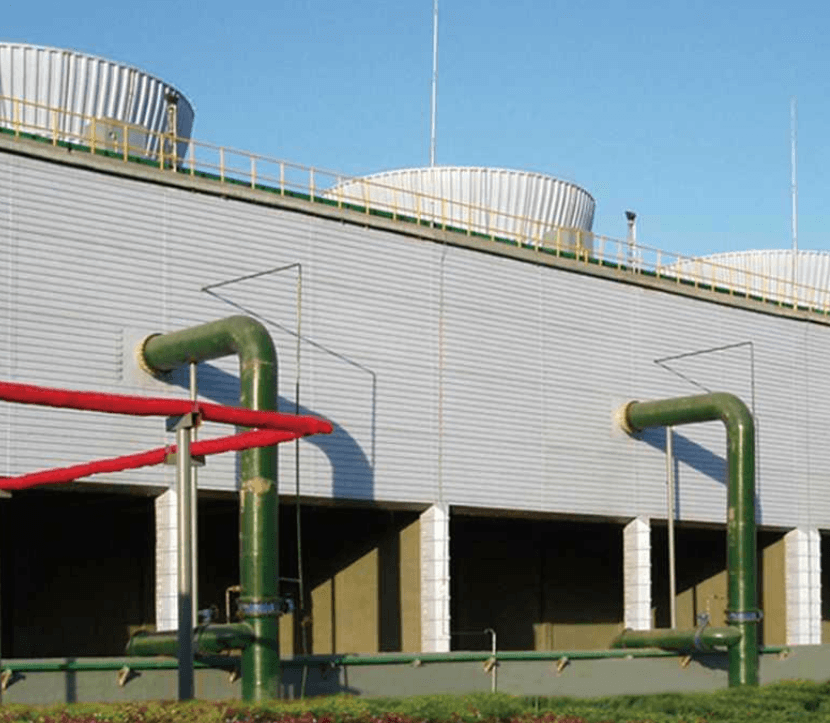
Mechanical vibration comes from moving parts like motors and pumps. When these parts shake, they send vibrations through the tower structure. This shaking can turn into noise that spreads to nearby areas. If you do not fix loose or worn parts, the vibration gets worse. Using pads or isolators under machines helps stop the shaking. This action keeps cooling tower noise from bothering people around your facility.
Upgrading equipment can help lower noise from hvac cooling towers. You have different choices to make your system quieter and work better. The table below lists upgrades and their benefits:
Equipment Upgrade | Benefit |
|---|---|
Larger cooling towers | Needs less airflow, so fans run quieter and use less power. |
Premium efficiency fans | Cuts down on noise from fans, which are the loudest part of the system. |
Variable speed drives | Lowers noise and saves energy, especially when the system is not busy. |
Sound attenuator sections | Blocks more noise, especially with two layers of sound protection. |
Premium efficiency fans can help reduce noise in hvac cooling towers. These fans have special blades and smart designs. They move air quietly and smoothly. You will hear less humming and feel fewer vibrations. These fans fix the main source of noise in your system. Seagull makes fans with new technology to keep your facility quiet and efficient.
Variable speed drives, called VFDs, let you change how fast fans spin. When cooling towers do not need to work hard, you can slow the fans down. Slower fans make less noise. This upgrade helps you follow noise rules in your area. When you lower fan speed, you hear much less sound. VFDs also save energy and make your system work better.
Tip: Use VFDs to keep cooling towers quiet when you do not need full power.
Advanced motor designs help cooling towers run quietly and smoothly. These motors use better materials and smart engineering. They make less vibration and last longer. You will have fewer breakdowns and less noise. Seagull uses advanced motors in their cooling towers for the best results.
Cooling towers make noise that can spread far. You can use sound barriers and enclosures to help control this noise. These tools protect workers and neighbors from loud sounds. Barriers come in different types. Each type has features made for cooling towers.
Acoustic louvers help lower noise but keep airflow strong. They use materials that absorb sound and smart designs. Air moves through the louvers, but much of the noise stays out. You can put acoustic louvers on air inlets or outlets. This step stops noise from leaving your system. Many places use acoustic louvers because they work well and do not block air.
Acoustic louvers help your cooling tower stay quiet and work well.
Absorptive panels are a strong way to cut noise. You can put these panels around your cooling tower or on walls nearby. They soak up sound waves and stop them from bouncing. Here are some benefits of using absorptive panels:
Absorptive panels lower mechanical noise by soaking up sound waves.
You can fit these panels to different cooling tower sizes and outdoor spaces.
The modular design makes setup easy.
These panels help you follow OSHA’s noise rules.
You can use absorptive panels with other barriers for even better results.
A good enclosure design blocks noise from all sides. You can build a full or partial enclosure around your cooling tower. Use materials that absorb and block sound. Add vents or baffles to keep airflow strong. Make sure the enclosure fits your space and cooling needs. Many places use a sound barrier as part of their enclosure plan. You can combine enclosures with other barriers to get the quietest results.
Using several types of barriers together gives you the best noise control.
Cooling towers can be noisy because they vibrate. You can use different ways to stop vibrations. These ways help keep the noise from spreading. They protect other parts of your building and nearby enclosures.
Isolation pads are easy to use. You put them under machines or support points. They soak up some shaking from motors and fans. Most pads are made from rubber or similar stuff. These pads work best for certain vibration types. Rubber pads help with higher frequency vibrations. If your cooling tower makes low-frequency vibrations, pads may not block all noise. The noise might still reach nearby enclosures. Check the vibration type before picking isolation pads.
Flexible couplings connect moving parts like motors and fans. They let parts move a little. These couplings handle more vibration types than pads. If your cooling tower makes low-frequency vibrations, couplings work better. They help stop shaking from spreading to other parts or enclosures. You can use couplings with other isolation methods for better results. Many engineers pick flexible couplings for strong noise control.
Tip: Flexible couplings protect your equipment and help your cooling tower last longer.
You can change the cooling tower’s structure or support frame. Adding extra supports or braces makes the tower more stable. Sometimes you need to move heavy parts or change how they sit. These changes help stop vibrations from spreading to enclosures or other buildings. Plan structural changes with an expert. This keeps your cooling tower safe and quiet.
Remember: Using the right vibration isolation method keeps your cooling tower quiet and protects your enclosures.
Keeping your cooling tower quiet starts with good maintenance. You can lower noise by checking and caring for your equipment often. Simple steps help you avoid bigger problems later.
You should balance the fan to stop extra noise. When a fan is not balanced, it can shake and make loud sounds. Over time, this shaking gets worse and spreads through the whole tower. Regular fan balancing keeps the fan running smoothly. It also helps you avoid damage to other parts.
Unbalanced fans can lead to vibrations and loud humming sounds, which contribute to overall noise levels.
You can use special tools to check if the fan is balanced. If you find a problem, fix it right away. This step keeps your cooling tower quiet and safe.
Clean water helps your cooling tower work better and sound quieter. Dirt and scale can build up inside the tower. These things block water flow and make the system noisy. You should use water treatment to stop scale and algae from growing. Cleaning the tower removes dirt and keeps water moving smoothly.
A clean system means less splashing and less noise. You should set a schedule for cleaning and water treatment. This routine is a key part of maintenance.
You need to inspect your cooling tower often. Look for loose bolts, worn parts, or leaks. These problems can make the tower louder. Regular inspections help you find issues before they get worse. You can fix small problems quickly and keep noise low.
Make a checklist for your inspections. Check the fan, water system, and all moving parts. Good maintenance keeps your cooling tower running quietly and helps it last longer.
You can lower cooling tower noise by picking a good spot. Put cooling towers far from homes, schools, and offices. If towers are close to these places, people hear loud sounds. For example, a cooling plant near homes made lots of noise. The fans were the main cause, reaching up to 70 dB(A). You can use acoustic modeling to find the best place. Install acoustic louvers to help lower noise. These steps help you follow local rules and keep noise under 45 dB(A).
Tip: Always check how far your cooling tower is from buildings before you install it.
Landscaping helps control noise. You can plant trees, shrubs, or hedges around your cooling tower. These plants act as natural barriers. They soak up and block sound waves. This makes things quieter for people nearby. Use thick plants for the best results. Mix landscaping with other noise control methods, like sound barriers, to make your site even quieter.
Landscaping Option | Noise Reduction Benefit |
|---|---|
Trees | Soak up and block noise |
Shrubs | Push sound waves away |
Hedges | Make a visual barrier |
Keep cooling towers away from places where people need quiet. Sensitive areas are homes, hospitals, and schools. The farther your cooling tower is from these spots, the less noise people hear. You can use noise barriers to push and soak up sound. These barriers help keep nearby areas comfortable. Plan your site well to protect your community and follow noise rules.
Remember: Good site planning keeps your cooling tower quiet and your neighbors happy.
You get the best noise reduction by using many methods together. This is called a layered approach. You do not just use one solution. For example, you can use low-noise fans, sound barriers, and vibration isolation at the same time. Each method helps with a different kind of noise. When you mix these solutions, the noise drops even more.
The table below shows how these strategies work together:
Noise Reduction Strategy | Benefit |
|---|---|
Source-level control | Helps manage noise right where it starts. |
Internal acoustic separation | Makes sound quieter inside and absorbs noise. |
External containment | Stops noise from getting outside. |
Combined strategies | Makes your facility quieter and meets rules. |
You can see that using more than one method works better than just one. This way, you follow noise rules and keep your facility nice for workers and neighbors.
Tip: Always check how each method works with others. Some methods work best when you use them together.
Every facility is unique. You need special solutions to get the best noise reduction. Look at your cooling tower’s size, where it is, and what kind of noise it makes. Seagull can help you pick the right noise reduction methods for your needs. Their experts know how to mix different ways for the best results.
You can ask Seagull to visit your site or do a noise study. They will help you find the best way to make your cooling tower quieter. You will get a plan that fits your budget and noise limits. With the right custom solution, your facility will run quietly and smoothly.
Note: Using custom solutions helps you fix noise problems faster and better.
You can make cooling towers quieter in many ways. Try to stop noise where it starts by using a muffler or silencing device. Put a muffler near the fan to lower loud sounds. Place a muffler close to the water flow to stop splashing noise. Add a muffler to the air outlet so less noise escapes. Use a muffler under the motor to control shaking sounds. Mix these steps for the best noise control. Ask Seagull for help and smart solutions. Controlling noise helps your building and your neighbors.
Fans, water flow, and vibration make the most noise. Fans push air and make a humming sound. Water splashes and adds extra noise. Motors and pumps shake and spread sound. Every part of the cooling tower can add to the noise.
Use low-noise fans and sound barriers to lower noise. Try vibration isolation to stop shaking sounds. Upgrade to premium fans and add insulation. Change water flow to stop splashing. Do regular maintenance to keep noise low. Each step helps your cooling tower get quieter.
Noise control keeps workers and neighbors safe. Too much noise can break local rules. Lowering noise makes your facility friendly. A quiet cooling tower works better and lasts longer.
Check for noise once a month. Listen for new sounds each time. Look at fans, motors, and water flow. Fix any problems right away. Regular checks help you find noise early. This keeps your cooling tower running quietly.
Yes, you can plant trees and shrubs around the cooling tower. Plants soak up and block noise. Use thick plants for the best results. Mix landscaping with other ways to lower noise even more.